
Master Your BAS: A Guide to Stress-Free ATO Compliance
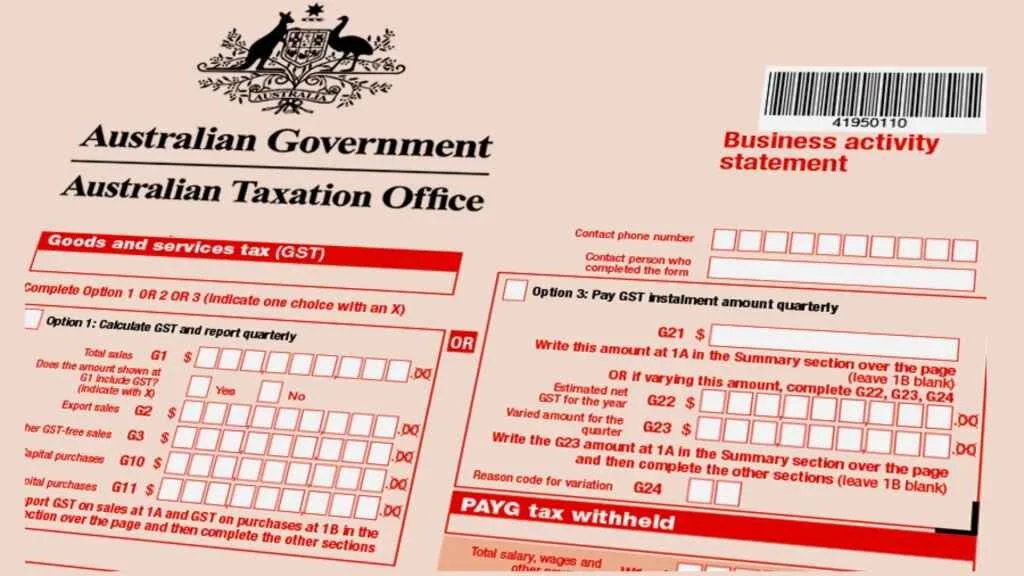
Stay on top of your Australian tax obligations with accurate Business Activity Statement (BAS) reporting to ensure smooth cash flow and total compliance.
What is a BAS?
A BAS is a mandatory form submitted to the Australian Taxation Office (ATO) to report and pay various tax obligations. Depending on your business turnover, you may need to lodge your BAS monthly, quarterly, or annually. It covers:
Goods and Services Tax (GST)
Pay As You Go (PAYG) withholding and instalments
Fringe Benefits Tax (FBT) instalments
Why Accurate Reporting Matters
Submitting an accurate BAS is about more than just ticking a box; it is a vital part of financial health. Proper reporting helps you:
Avoid costly ATO fines and interest charges.
Maintain a clear view of your actual cash flow.
Improve business forecasting and financial planning.
Common Pitfalls to Avoid
Errors in your BAS can trigger audits or unexpected debts. Common mistakes include misreporting GST on sales, missing valid tax invoices, or confusing cash versus accrual reporting methods. Under the cash basis, you report GST when payment is exchanged, while the accrual basis requires reporting when an invoice is issued.
5 Steps to Seamless Preparation
Organise: Gather all invoices and receipts for the period.
Reconcile: Ensure your bank transactions match your records.
Calculate: Total your GST collected versus GST paid.
Verify: Check your PAYG withholding figures for employees.
Submit: Lodge via the ATO portal before the deadline.
Using cloud accounting software is the most efficient way to simplify these steps and reduce manual data entry errors.
Need a hand with your lodgements?
The complexity of tax law can be daunting, but you don't have to navigate it alone. Connect our Linkins team today for expert support in managing your reporting and staying compliant.
--
Disclaimer:
The information and content provided in this publication are purely for informative purposes. It is not meant to serve as advice, and you should not act specifically on the basis of this information.